Insights into Keqiao's Growing Export Business Landscape
- Amir ibrahim
- 3 hours ago
- 4 min read

Keqiao, a district in Shaoxing, Zhejiang Province, China, has emerged as a pivotal hub for the textile and garment industry. With its strategic location, rich resources, and a robust infrastructure, Keqiao is not just a local player but a significant contributor to the global export market. This blog post delves into the factors driving Keqiao's export business growth, the challenges it faces, and the opportunities that lie ahead.
The Textile Industry in Keqiao
A Historical Overview
Keqiao has a long-standing history in textile manufacturing, dating back centuries. The region's access to water resources and skilled labor has made it an ideal location for textile production. Over the years, Keqiao has evolved from traditional hand-weaving techniques to adopting advanced technology, making it a leader in textile innovation.
Current Market Position
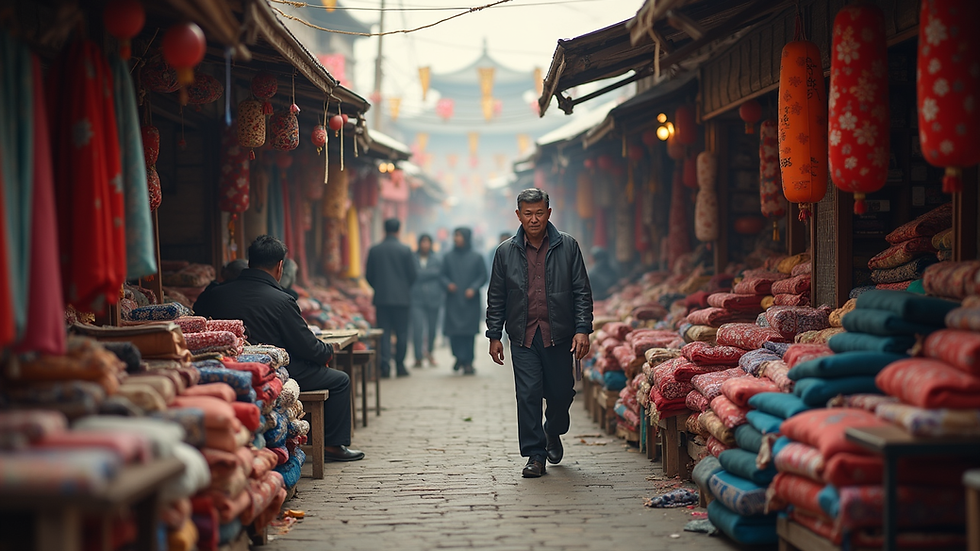
Today, Keqiao is recognized as one of the largest textile markets in Asia. The China Textile City, located in Keqiao, is a massive trading hub that attracts buyers from all over the world. With thousands of textile manufacturers and suppliers, the market offers a wide range of products, from fabrics to finished garments.
Factors Contributing to Growth
Strategic Location
Keqiao's geographical advantage cannot be overstated. Situated near major transportation routes, including highways and railways, the district facilitates easy access to both domestic and international markets. This connectivity allows for efficient logistics and timely delivery of goods.
Government Support
The local government has implemented various policies to support the export sector. These include tax incentives, subsidies for technology upgrades, and initiatives to promote international trade. Such support has encouraged businesses to expand their operations and explore new markets.
Innovation and Technology
Keqiao's textile industry is increasingly embracing technology. Automation and digitalization are transforming traditional manufacturing processes, enhancing productivity and quality. For instance, many companies are investing in smart manufacturing systems that allow for real-time monitoring and data analysis, leading to more efficient operations.
Challenges Facing the Export Sector
Competition
While Keqiao has established itself as a leader in the textile market, it faces stiff competition from other regions, both domestically and internationally. Countries like Vietnam and Bangladesh are becoming attractive alternatives for textile production due to lower labor costs. Keqiao must continuously innovate and improve its offerings to maintain its competitive edge.
Sustainability Concerns
As global awareness of environmental issues grows, the textile industry is under pressure to adopt sustainable practices. Keqiao's manufacturers are increasingly focusing on eco-friendly materials and production methods. However, transitioning to sustainable practices can be costly and complex, posing a challenge for many businesses.
Supply Chain Disruptions
The COVID-19 pandemic highlighted vulnerabilities in global supply chains. Keqiao's export businesses experienced delays and disruptions, affecting their ability to meet international demand. Companies are now re-evaluating their supply chains to build resilience against future disruptions.
Opportunities for Growth
Expanding into New Markets
As global demand for textiles continues to rise, Keqiao has the opportunity to expand its reach into emerging markets. Countries in Africa and South America are showing increasing interest in textile imports, presenting new avenues for growth.
Emphasizing Quality and Design
To differentiate itself from competitors, Keqiao can focus on producing high-quality textiles with unique designs. Collaborating with designers and investing in research and development can lead to innovative products that appeal to international buyers.
Leveraging E-commerce
The rise of e-commerce presents a significant opportunity for Keqiao's export businesses. By establishing online platforms, manufacturers can reach a broader audience and streamline their sales processes. This shift can also reduce reliance on traditional distribution channels.
Case Studies of Success
Local Brands Making Waves
Several local brands have successfully carved out a niche in the international market. For example, Keqiao Textile Co. has gained recognition for its high-quality fabrics used in luxury fashion. Their commitment to quality and innovation has allowed them to export to high-end markets in Europe and North America.
Collaborative Efforts
The Keqiao Export Association has played a crucial role in supporting local businesses. By organizing trade fairs and exhibitions, the association helps manufacturers showcase their products to international buyers. This collaborative effort has resulted in increased export orders and partnerships.
The Future of Keqiao's Export Business
Embracing Digital Transformation
The future of Keqiao's export business lies in digital transformation. Companies that invest in technology will be better positioned to adapt to changing market demands and consumer preferences. This includes adopting e-commerce solutions, utilizing data analytics, and enhancing supply chain management.
Fostering Sustainable Practices
As sustainability becomes a priority for consumers, Keqiao's manufacturers must prioritize eco-friendly practices. This includes sourcing sustainable materials, reducing waste, and implementing energy-efficient processes. By doing so, they can not only meet regulatory requirements but also attract environmentally conscious buyers.
Building Global Partnerships
To thrive in the competitive export landscape, Keqiao's businesses should focus on building strong global partnerships. Collaborating with international distributors, retailers, and designers can open new markets and enhance brand visibility. Networking and relationship-building will be essential for long-term success.
Conclusion
Keqiao's export business landscape is evolving rapidly, driven by innovation, government support, and a commitment to quality. While challenges such as competition and sustainability concerns exist, the opportunities for growth are significant. By embracing technology, expanding into new markets, and prioritizing sustainable practices, Keqiao can solidify its position as a leader in the global textile industry.
As the world continues to change, Keqiao's businesses must remain agile and responsive to market trends. The future is bright for this dynamic district, and its export sector is poised for continued success.


Comments